

How to Import from China to Morocco: The Ultimate Guide (2026)
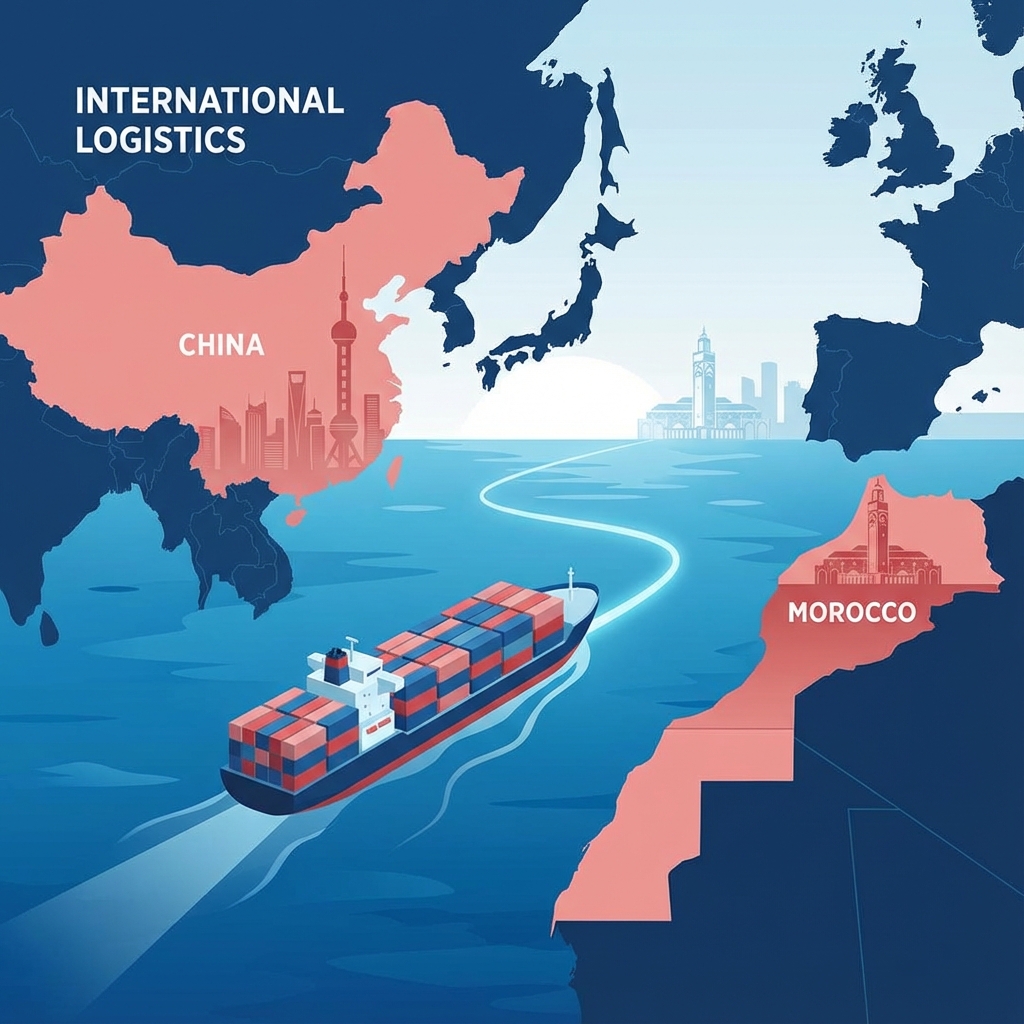
Why Import from China to Morocco?
In 2026, China remains the essential trading partner for Moroccan businesses. Whether you are in textiles, electronics, or construction, importing from China offers exceptional margin opportunities. However, the complexity of customs procedures in Casablanca can turn this opportunity into a logistical nightmare if not mastered.
Step 1: Mastering Incoterms to Avoid Hidden Costs
The choice of Incoterm determines who pays what and who is responsible for the goods. It is the basis of any negotiation with your Chinese supplier (via Alibaba or directly).
The Classic Mistake: Accepting CIF/CFR
With CIF (Cost, Insurance, Freight), your supplier organizes transport to the port of Casablanca. This seems ideal, but beware: landing fees in Morocco are often inflated to compensate for "cheap" freight.
CasaHorizon Recommendation: FOB (Free On Board)
Opt for the FOB Incoterm. Your supplier delivers the goods to the Chinese port, and you take control of the transport with a trusted Moroccan freight forwarder.
Your advantages:
- Total transparency on real costs.
- Better control of transit time.
- Single point of contact in Casablanca for tracking.
Step 2: Sea or Air Freight? Making the Right Choice
Sea Freight
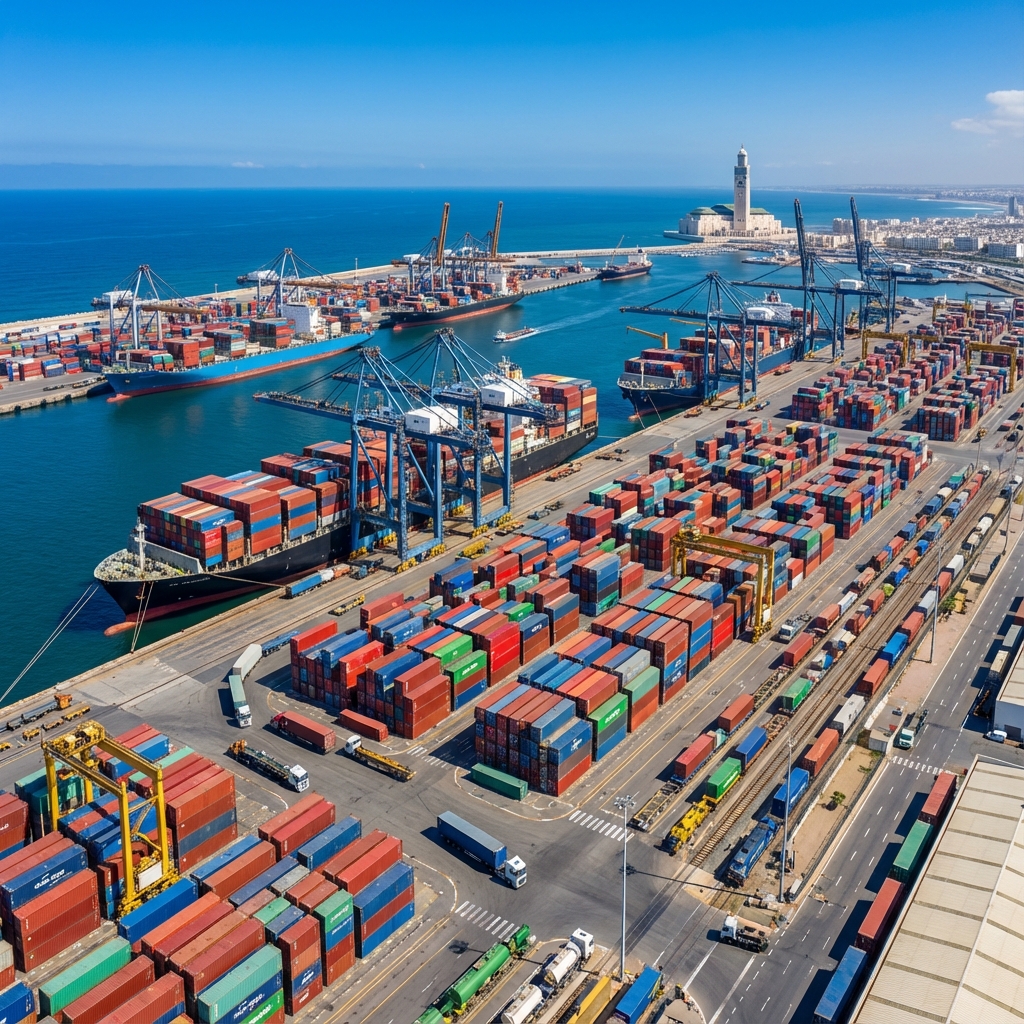
The most economical mode for imports from China. Count 30 to 45 days transit to Casablanca. LCL option (Groupage) for small volumes (< 15m³) or FCL (Full Container 20'/40') for large volumes.
Air Freight
Indispensable for samples, perishable goods, or stockouts. Express delay of 3 to 5 days via Mohammed V Airport. Cost is significantly higher (calculated on taxable weight).
Step 3: Successful Customs Clearance in Morocco
The customs stage is critical. A simple error on a document can block your container at the port for weeks, generating exorbitant demurrage/storage fees.
Essential Documents
Before the ship even leaves China, make sure you have scans of these documents for validation by your authorized customs broker.
Full Import File Checklist
- ✅ Commercial Invoice: Must be final, signed, and stamped.
- ✅ Packing List: Precise detail of weight, number of packages, and nature of goods.
- ✅ Bill of Lading: The title of ownership of the goods. The original is often required.
- ✅ Certificate of Origin: To benefit from free trade agreements (if applicable).
- ✅ Import Commitment (Engagement): Domiciled with your Moroccan bank (for any payment > 2000 DH).
Understanding Import Duties and Taxes
The cost of your import doesn't stop at the purchase price. You must add customs duties calculated on the CIF value (Goods Value + Freight + Insurance).
Customs Debt Structure
Import Duties (DI)
Variable depending on the product (HS Code). Generally 2.5%, 17.5%, or 40% to protect local industry.
Import VAT
Standard rate of 20%. It is calculated on the base (CIF Value + DI + TPI). It is recoverable.
Parafiscal Tax (TPI)
Economic promotion financing tax. Fixed rate of 0.25% on CIF value.
Ready to ship your goods?
Contact us now for a personalized and free quote